
The Kent Mining Museum will have a new guest exhibition from the 9th September to 31st December.
Continue reading New Guest Exhibition at The Kent Mining MuseumAuthor: admin
Local Newspaper Archive
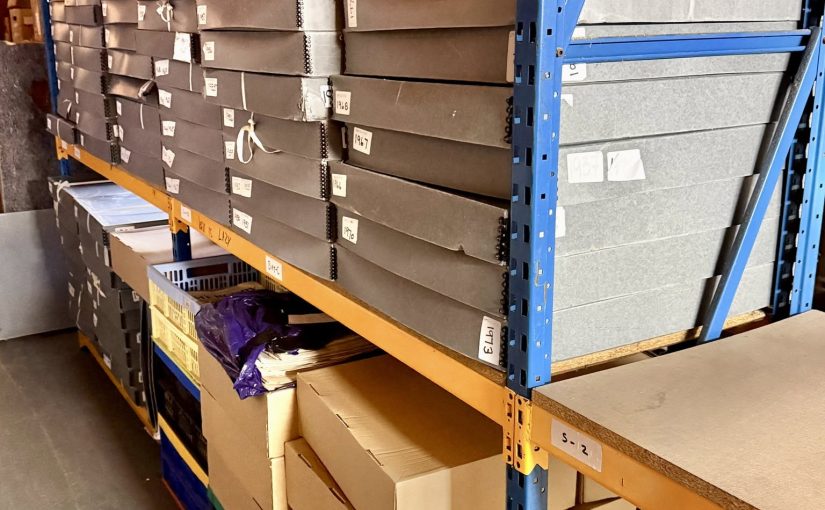
A small group of local residents and historians in Deal are trying to get a large collection of original Mercury newspapers digitally scanned, so they can be added to local and national archives.
Continue reading Local Newspaper ArchiveWar Memorial
Built in 1919, the Victoria Hospital is the war memorial. The names of the dead are listed on two wooden panels just inside the front entrance.
Continue reading War MemorialWalmer Aerodrome War Memorial
This memorial commemorates the 16 airmen who were killed in the First World War during operations from the airfield which operated on Hawksdown.
Continue reading Walmer Aerodrome War MemorialThe Deal Society
Founded in 1964 when there was a plan to demolish and rebuild large parts of the centre of the town, The Deal Society exists to maintain the appeal of Deal and Walmer.
Continue reading The Deal SocietySt George’s Church Memorial Cross
A grade II* listed monument standing in front of the church which was unveiled in November 1916.
Continue reading St George’s Church Memorial CrossSound Mirror Sculpture
Following a bequest by long-term resident Bill Elliott, Deal Town Council commissioned Deal artist Michael Bennett to produce this sculpture which comprises a sound mirror on one side and a map of the coast on the other.
Continue reading Sound Mirror SculptureRoyal Marines Memorial Garden
Adjacent to the remaining wall of a multi-purpose church, school and later concert hall is a memorial garden for the bombing of the Royal Marines School of Music on 22 September 1989.
Continue reading Royal Marines Memorial GardenPrinters’ Peace Memorial
Commemorates members of the printing and allied trades killed in the First World War.
Continue reading Printers’ Peace MemorialDeal Memorial Bandstand
Built to commemorate the lives of the 11 Musicians who were killed when the Provisional Irish Republican Army (IRA) exploded a bomb at the Royal Marines School of Music in 1989.
Continue reading Deal Memorial Bandstand